If you’re sitting across from me in my Oregon office asking whether you really need an RV Bill of Sale Oregon requires for private sales, let me start with this: yes, you do — and it’s more important than most people realize.
An RV Bill of Sale in Oregon is a written document that records the legal transfer of ownership of a motorhome, travel trailer, or recreational vehicle from seller to buyer. While the Oregon DMV focuses heavily on proper title transfer, this document often becomes critical when disputes arise over payment, condition, liens, or sale dates.
In my years handling vehicle transfers, title disputes, and DMV issues here in Oregon, I’ve learned that most RV problems don’t start with dishonesty — they start with incomplete paperwork. And because RVs are high-value assets — sometimes even second homes — small mistakes can turn into very expensive ones.
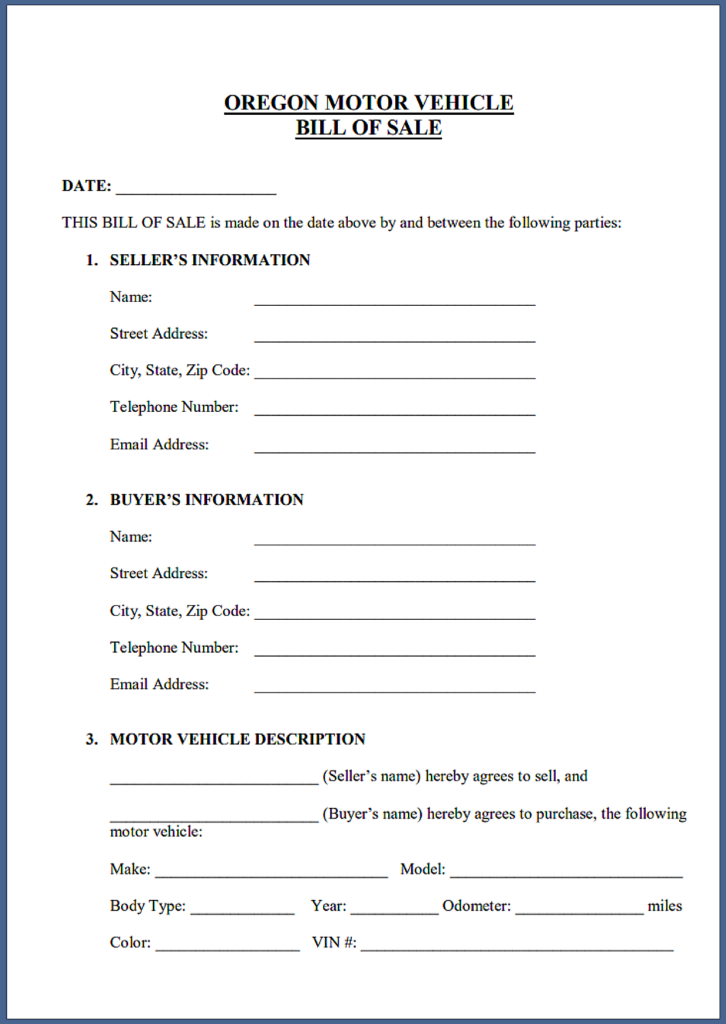
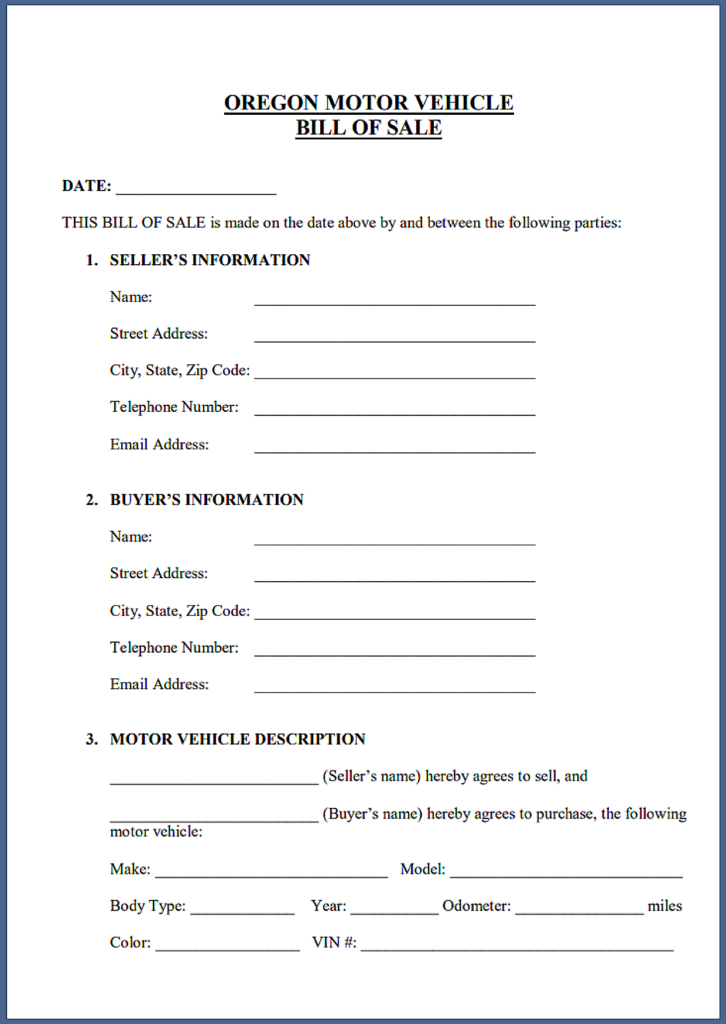
Free RV Bill of Sale Oregon Templates
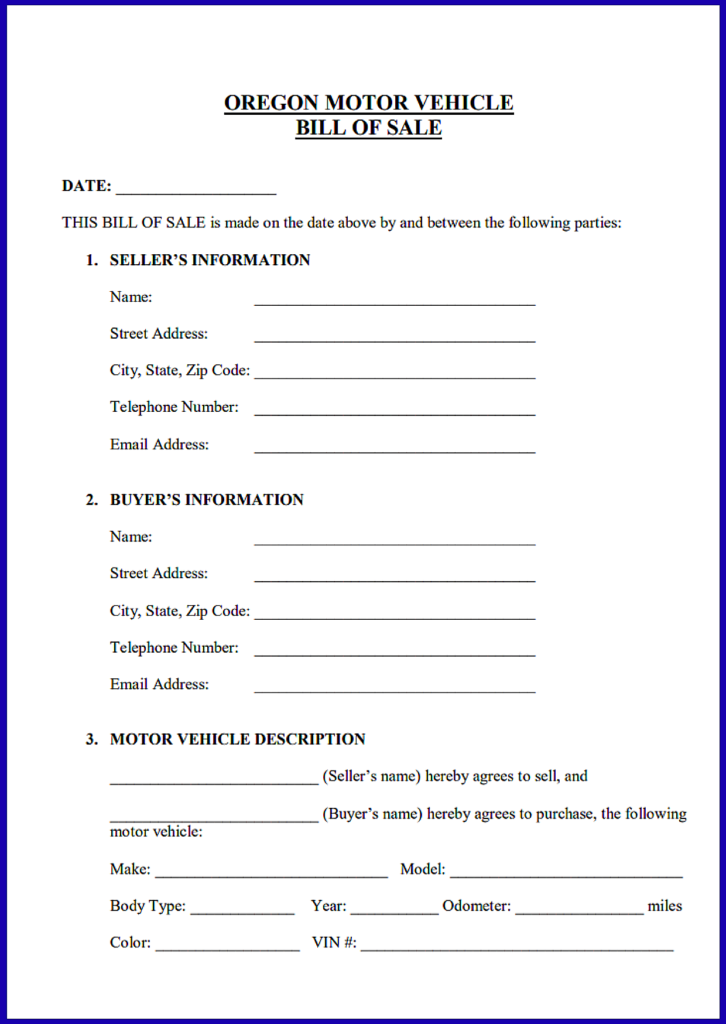
Over the years, I’ve had countless clients walk into my office asking if they can just grab a free RV Bill of Sale Oregon template online and call it a day. And honestly? Sometimes you can — but only if you understand what that template is supposed to protect you from. A properly structured RV bill of sale isn’t just a piece of paper; it documents the legal transfer of ownership, confirms the purchase price, and can protect both parties if a dispute arises later.
What I’ve learned from handling Oregon DMV issues is that not all templates are created equal. Many free forms leave out critical details like VIN verification, odometer disclosure for motorized RVs, or clear “as-is” language. When you use a template, make sure it aligns with Oregon practices and complements the title transfer requirements. You can also download the PDF format for this document below.
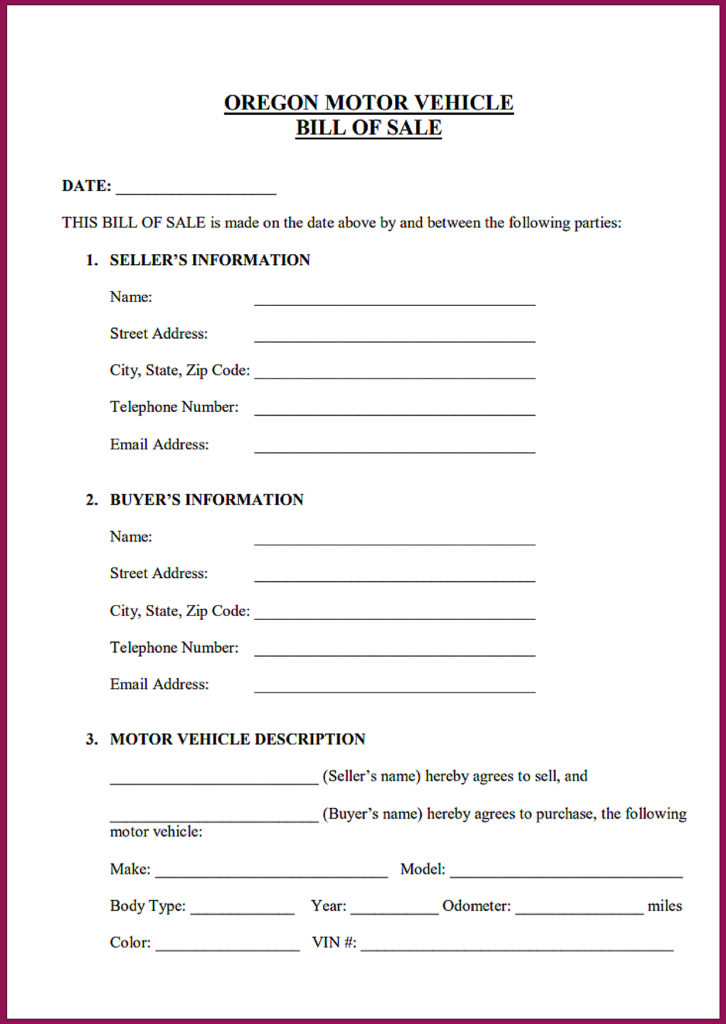
Oregon DMV RV Bill of Sale
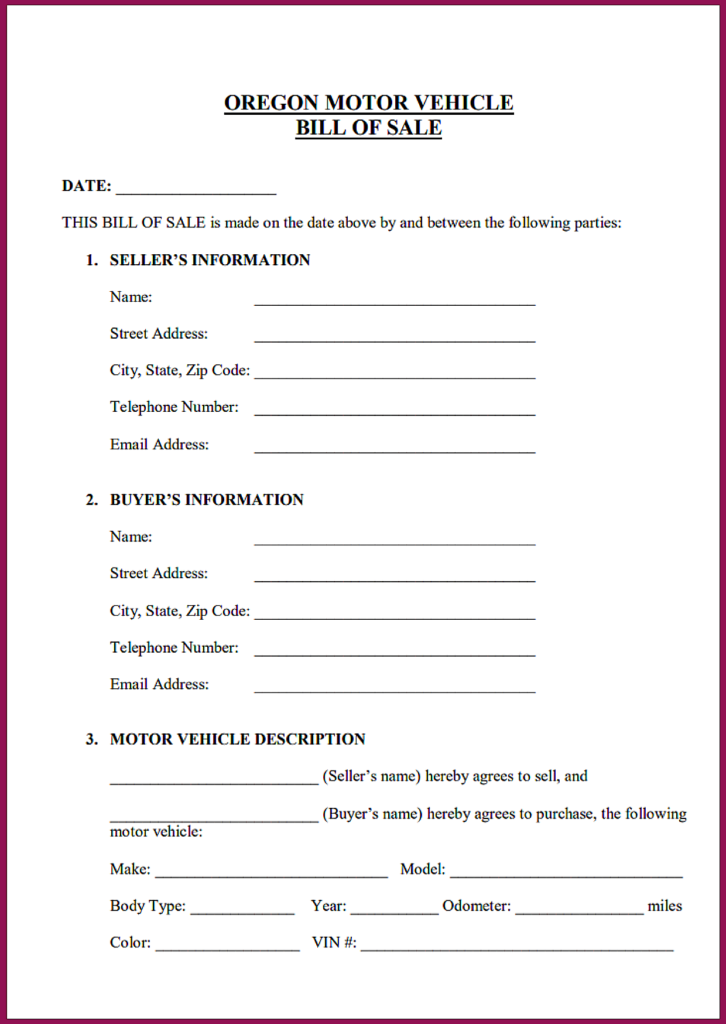
When clients mention an “Oregon DMV RV bill of sale,” they often assume the DMV provides a special RV-specific form. In reality, the Oregon Driver and Motor Vehicle Services focuses primarily on proper title transfer paperwork rather than issuing a dedicated RV bill of sale form. That misunderstanding alone has caused delays and confusion in more than a few cases I’ve handled.
In my experience, the bill of sale works hand-in-hand with your DMV title application, especially if questions later arise about sale date, payment amount, or ownership responsibility. While the DMV may not strictly require a bill of sale in every transaction, having one drafted properly can prevent liability issues and registration headaches. You can also download the PDF format for this document below.
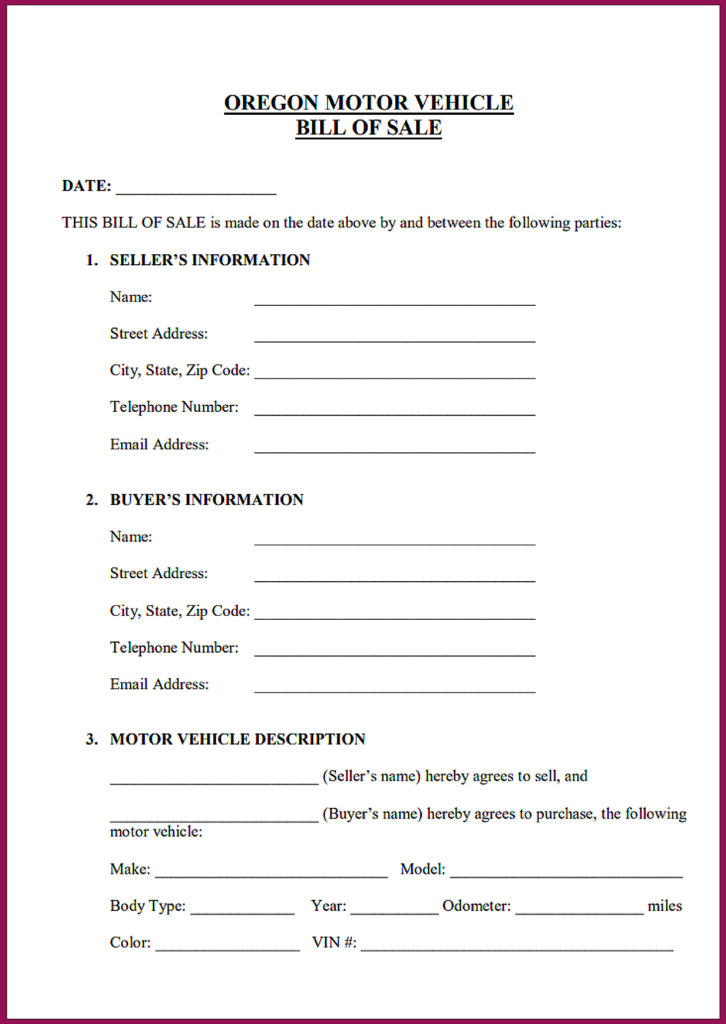
RV Bill of Sale Example
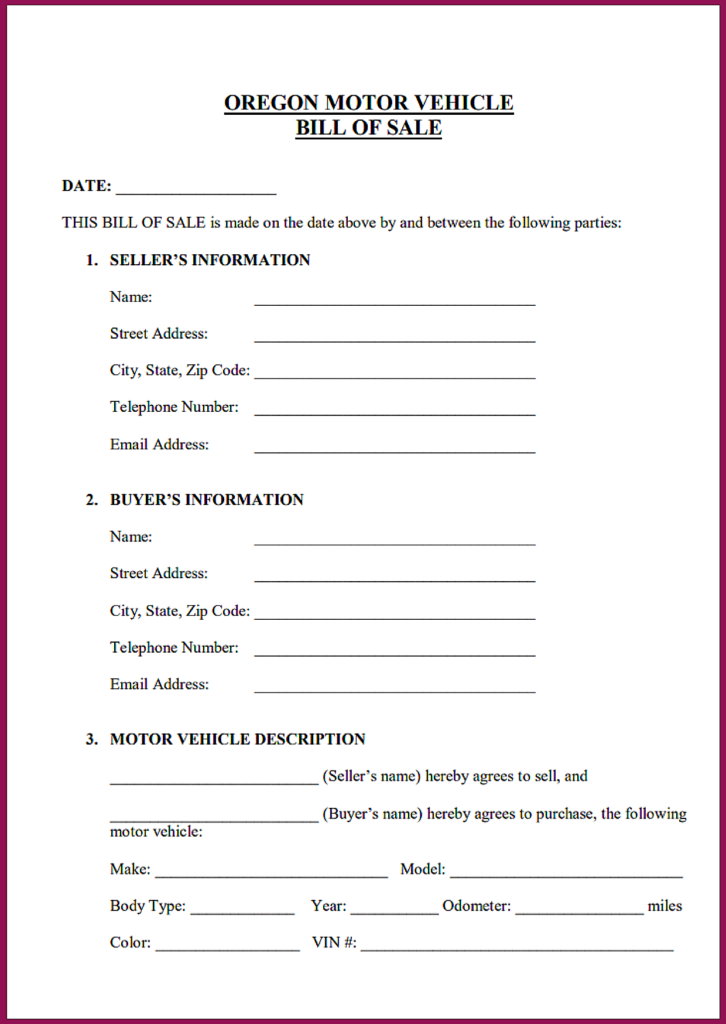
I’m a big believer in showing people what a properly completed RV bill of sale actually looks like. Reading about requirements is helpful, but seeing a real-world RV bill of sale example makes everything clearer — especially when you’re dealing with high-value motorhomes or travel trailers. I’ve seen small formatting mistakes lead to rejected paperwork or unnecessary disputes.
A strong example should clearly outline buyer and seller details, vehicle description, VIN, purchase price, date of sale, and an “as-is” clause where appropriate. When structured correctly, it supports the title transfer and serves as written proof of the agreement between both parties. You can also download the PDF format for this document below.
First Things First — Is a Bill of Sale Required in Oregon?
Oregon doesn’t technically require a bill of sale in every vehicle transaction, but here’s what I’ve learned from years dealing with the Oregon Driver and Motor Vehicle Services (DMV):
If you don’t have one, and something goes wrong later, you’ll wish you did.
The DMV primarily cares about proper title transfer. But when:
-
The title is missing
-
The odometer disclosure is disputed
-
There’s a lien question
-
The buyer claims different purchase terms
That bill of sale becomes your best friend.
Personally, I strongly prefer having a detailed written bill of sale for every RV transaction — even when it’s between family members.
Why RV Sales Are Different Than Regular Car Sales
Here’s what people don’t always realize: RVs can be complicated.
Some are motorhomes (titled like vehicles).
Some are travel trailers (still titled, but no engine).
Some have loans attached.
Some are registered out of state.
I once had a client who bought a used motorhome privately. They shook hands. Paid cash. Signed the title. No bill of sale.
Three months later?
The seller got parking tickets before the title transfer processed — and my client got dragged into a mess proving the sale date.
A simple one-page bill of sale with:
-
Date
-
Purchase price
-
VIN
-
Odometer reading
would have saved thousands in legal fees.
What I Always Recommend Including in an Oregon RV Bill of Sale
In my practice, I tell clients: if you’re going to do it, do it properly.
Here’s what I like to see:
-
Full legal names of buyer and seller
-
Physical addresses
-
Date of sale (exact date — not “around June”)
-
Purchase price
-
Full VIN (Vehicle Identification Number)
-
Year, make, and model
-
Odometer reading (for motorized RVs)
-
Statement that the RV is sold “as-is”
The “as-is” language matters. A lot.
Without it, I’ve seen buyers try to come back weeks later claiming undisclosed defects.
Now, does “as-is” protect sellers from fraud? No. If someone lies intentionally, that’s a different story. But it does protect against normal wear-and-tear complaints.
Title Transfer — Where Most People Slip Up
The real issue I see isn’t the bill of sale itself.
It’s delay.
In Oregon, buyers are required to title and register within 30 days. If you wait longer, penalties start stacking up.
The DMV uses Form 735-226 (Application for Title and Registration). If there’s a lien, that paperwork needs to be handled carefully. If the seller still owes money? That’s a whole different discussion.
I always tell sellers:
Submit a Notice of Sale immediately.
That protects you from liability if the buyer never transfers the title.
I’ve had sellers call me panicked because toll violations and red-light tickets were still coming to them months later. That Notice of Sale would have stopped it.
What About Trailers and Towable RVs?
People assume trailers are “simpler.”
Not always.
Travel trailers in Oregon still require title transfer. The VIN still matters. And if it’s older and the title is missing? Now we’re talking bonded title territory — which can get messy fast.
I handled a case where someone bought a vintage trailer from a neighbor. No title. “It’s been sitting for years.”
That turned into a bonded title process, inspections, and several months of back-and-forth.
If there’s no title, don’t hand over money without understanding what you’re stepping into.
Personally, I’d rather walk away from a “great deal” than inherit someone else’s paperwork nightmare.
Taxes and Fees — The Question I Always Get
Oregon doesn’t have sales tax — which surprises out-of-state buyers.
But there are title and registration fees. And if you’re buying from out of state, you may have to deal with DEQ (emissions) requirements depending on the RV type and where you live.
If the RV was previously registered elsewhere, double-check that the title is properly assigned and not branded.
Salvage titles in motorhomes? I’ve seen buyers miss that detail — and it affects resale value dramatically.
A Quick Word About Liens
If there’s a lender involved, slow down.
Make sure the lien is properly released before completing the deal. I’ve seen buyers pay sellers directly, only to find out the bank still holds the title.
No lien release = no clean title.
And untangling that after money changes hands? Not fun.
Why I Care About This Stuff
Over the years, I’ve sat across from:
-
Retirees buying their dream RV
-
Young families stretching their savings for road trips
-
Sellers who trusted someone they shouldn’t have
Most of them didn’t need a lawyer when they started.
They needed one when something small went wrong.
A properly drafted RV bill of sale isn’t just paperwork.
It’s insurance against misunderstandings.
My Practical Advice (If You’re in My Office)
If you’re selling:
-
Complete the title carefully
-
Draft a detailed bill of sale
-
File Notice of Sale immediately
-
Keep copies of everything
If you’re buying:
-
Verify VIN matches title
-
Confirm no liens
-
Get the odometer reading documented
-
Don’t skip the bill of sale even if the seller says it’s unnecessary
And as I always tell clients — this is general information, not formal legal advice for your specific situation. Every deal has its own facts. If something feels off, pause and get advice before signing.
RV transactions in Oregon don’t have to be stressful. Most go smoothly when handled correctly.
If you’ve got questions about your RV sale, title issue, lien concern, or something that just doesn’t feel right, reach out. I’m happy to talk it through.
Drop a comment or contact me directly — I’ve probably seen your situation before.
FAQs
Is an RV Bill of Sale required in Oregon?
Technically, Oregon law does not require a bill of sale in every RV transaction. The Oregon Driver and Motor Vehicle Services focuses mainly on proper title transfer. That said, in my experience handling disputes, having a written RV Bill of Sale in Oregon can protect you if questions come up later about payment, sale date, or condition of the vehicle. I strongly recommend never skipping it.
What information should be included in an Oregon RV Bill of Sale?
A proper RV bill of sale should include the full legal names and addresses of both parties, the exact sale date, purchase price, VIN, year, make, model, and odometer reading (if it’s a motorized RV). I also always recommend including “as-is” language to avoid post-sale misunderstandings. Missing details are one of the most common mistakes I see.
Does a travel trailer need a bill of sale in Oregon?
Yes, I recommend one even for travel trailers. While trailers are handled slightly differently than motorhomes, they still require proper title transfer. I’ve seen situations where buyers assumed trailers were “simpler,” only to face complications when the title was missing or incorrect. A detailed bill of sale adds an extra layer of protection.
Can I write my own RV Bill of Sale in Oregon?
Yes, you can draft your own document, and many private sellers do. However, it must clearly document the transfer of ownership and include all critical details. In my practice, I’ve seen homemade forms work perfectly — and I’ve seen vague one-paragraph notes cause serious problems. If you’re unsure, it’s always safer to use a structured template or get legal guidance before completing the sale.